7 Incredible Facts About Nature’s Smiling Monster, The Axolotl.
Have you ever seen a creature that looks like a pink dragon, smiles like a cartoon character, and has the superpower to regrow its own brain? Meet the axolotl. This bizarre yet adorable amphibian has captured the world’s imagination. In this article, we will dive deep into the most amazing Axolotl facts and discover why this Mexican walking fish is a scientific marvel.
It’s Not Actually a Fish
Despite being nicknamed the Mexican Walking Fish, the axolotl is actually an amphibian, closely related to tiger salamanders. Unlike most amphibians that develop lungs and move to land, Axolotls spend their entire lives underwater. This rare condition is known as neoteny, meaning they retain their larval features (like external gills) throughout adulthood.
The Master of Regeneration
The most shocking of all axolotl facts is their ability to regenerate almost any part of their body. If an Axolotl loses a limb, a tail, or even parts of its heart and brain, it doesn’t grow back scar tissue. Instead, it regrows the entire organ perfectly. Scientists are studying their DNA to see if this healing power could one day help humans.
They Only Live in One Place on Earth
In the wild, Axolotls are incredibly rare. They are native only to the Lake Xochimilco complex near Mexico City. Unfortunately, due to urban expansion and water pollution, their natural habitat is shrinking, making them a critically endangered species.
A Smiling Predator
Don’t let that cute permanent smile fool you! Axolotls are carnivorous predators. In the wild, they feed on small fish, mollusks, and insect larvae. They use a “vacuum” method to eat—opening their mouths quickly to suck in their prey.
They come in many colors
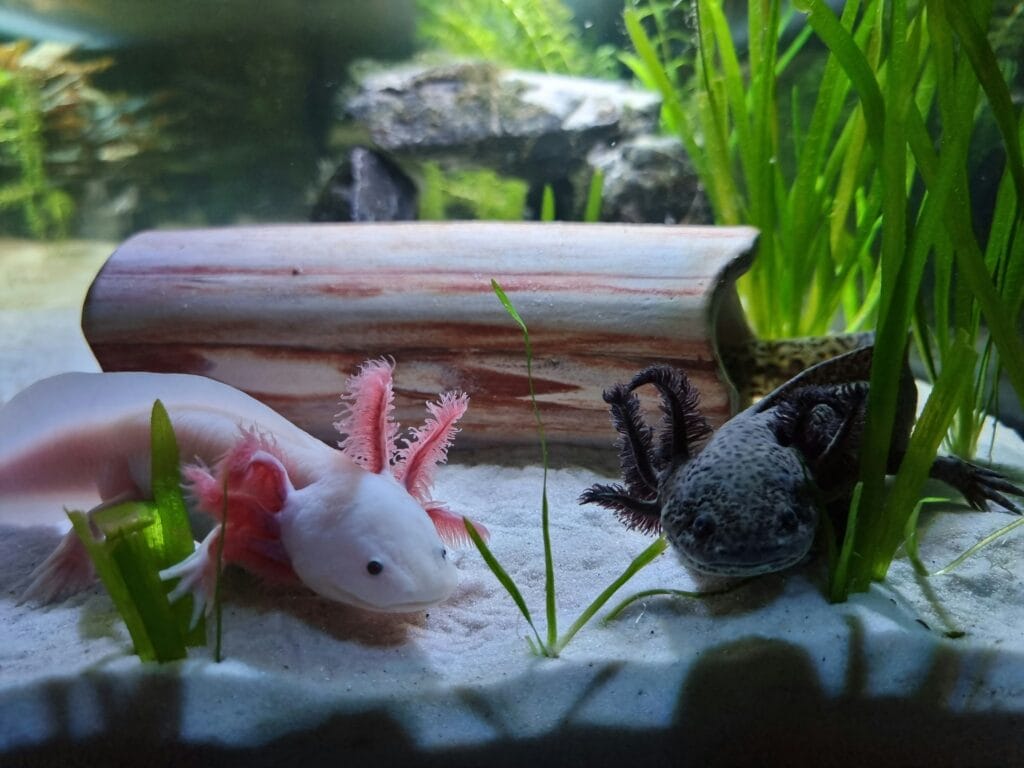
While wild axolotls are usually dark brown or mottled green, the ones you see in pet shops are often leucistic (pale pink with black eyes) or albino (golden-pink with red eyes). These vibrant colors have made them a favorite in the aquarium hobby world.
The Peter Pan of the Animal Kingdom
Because they never grow up into land-dwelling salamanders, they are often called the Peter Pans of nature. They stay in their water-breathing, larval form forever. However, in very rare laboratory cases, they can be forced to undergo metamorphosis, but this is extremely stressful for the animal.
How to Care for a Pet Axolotl
If you are thinking about getting one, remember they need cool water (between 16°C and 18°C). They are sensitive to water quality, so a good filtration system is essential. Always consult a Veterinary Corner expert before bringing one home!
Why is the Axolotl Critically Endangered?
Despite their popularity as pets and in laboratories, wild Axolotls are on the brink of extinction. The main reason is the degradation of Lake Xochimilco. Water pollution from nearby Mexico City and the introduction of invasive fish species like tilapia and carp have devastated their population. These invasive fish eat Axolotl eggs and compete for the same food sources. Conservationists are now working on chinampas (floating gardens) to create filtered water refuges for these amazing creatures.
The Genetics of a Superhero
In 2018, scientists officially mapped the axolotl genome, and it is massive, about ten times larger than the human genome. This complexity is what allows them to regenerate limbs and even parts of their spinal cord. By understanding how their cells reprogram themselves to heal without scarring, medical researchers hope to unlock new treatments for human injuries and organ failure.
Fun Fact: The God of Fire and Lightning
In Aztec mythology, the Axolotl is named after Xolotl, the god of fire and lightning. Legend says that xolotl transformed into the salamander to hide in the water and avoid being sacrificed. This deep cultural connection makes the Axolotl a national symbol of Mexico.
The Axolotl is a reminder of how diverse and mysterious our planet’s wildlife can be. From their healing powers to their unique appearance, they are truly one of nature’s greatest wonders. By sharing these Axolotl facts, we help raise awareness for their conservation.